Where to give birth in Israel? Finding a place that feels safe.

Congratulations! Excitement for your growing family is probably swirling around a million questions, and one of the biggest is this one. Take it one step at a time. We’ll go through it together.

Pregnant woman in a black dress smiling by the sea on a cloudy day.

A birthplace is more than an address.

Choosing where to give birth is about finding a safe, supportive place for a powerful and vulnerable experience. In Israel, you can give birth in a hospital or at home.
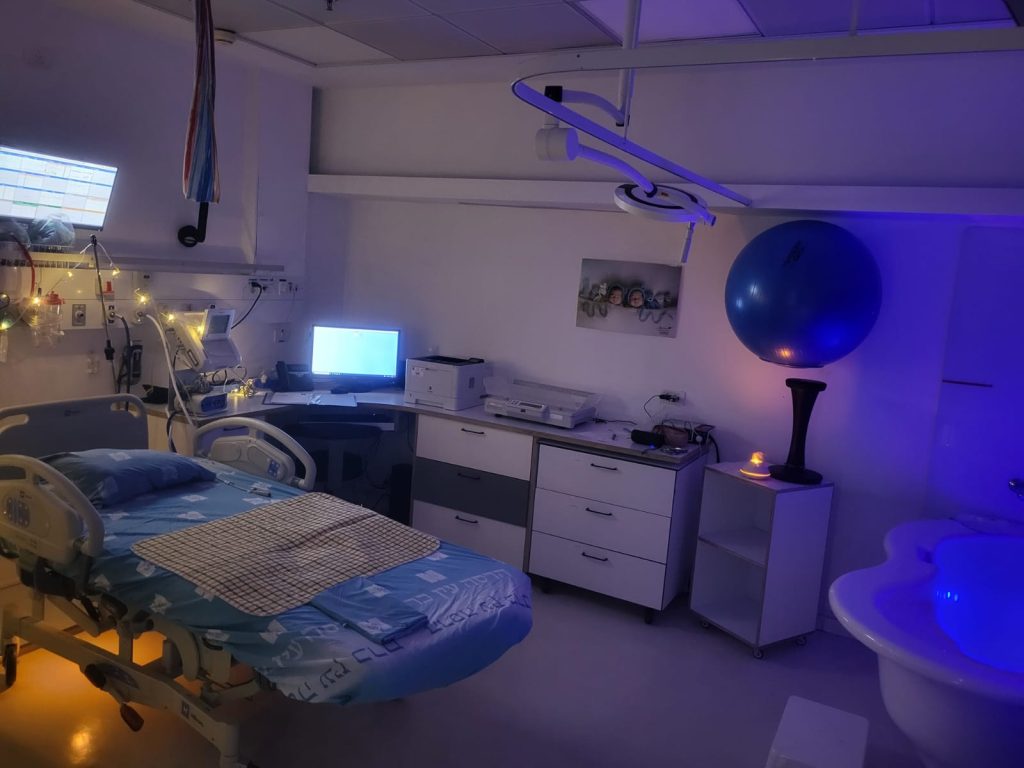
Hospital Birth

You give birth in a hospital maternity ward, with the midwives and doctors on shift. In most hospitals you meet your team on the day, and the team changes every 8 hours. Medical pain relief such as an epidural is available. A prenatal visit or tour can help you get to know the place first.
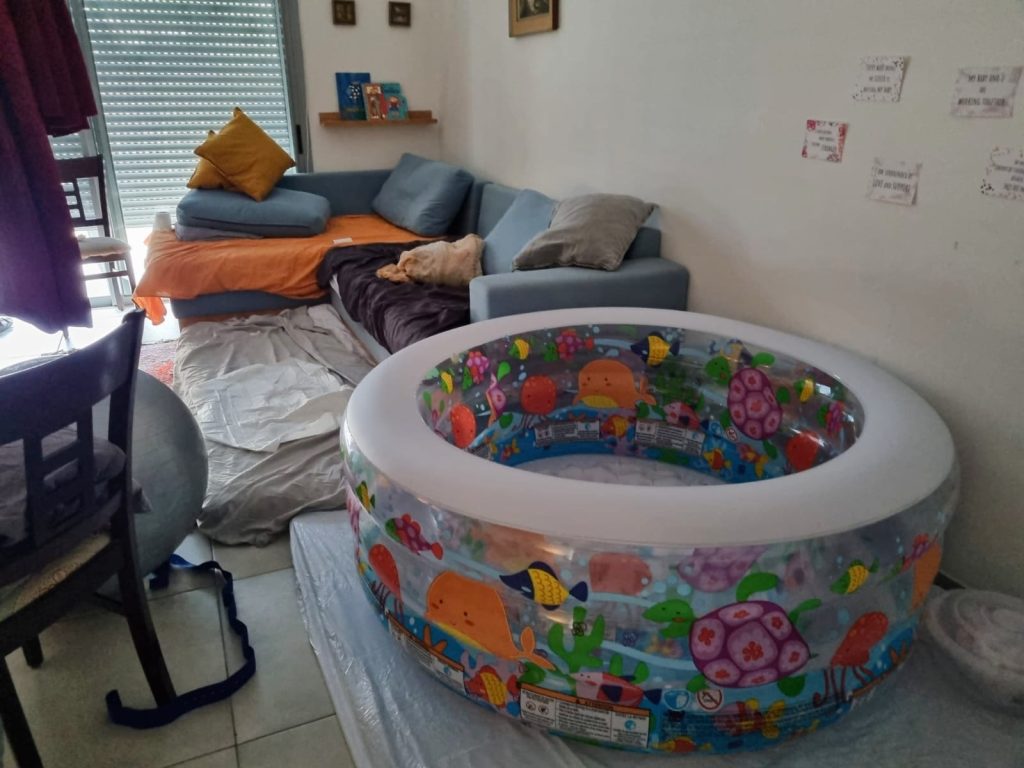
Home Birth

You give birth at home with a private midwife, someone you get to know during pregnancy. If you want a licensed Israeli midwife to accompany you, you need to meet specific criteria, and many high-risk labels rule it out. It’s a private service, and many women find it worthwhile.

Tours help you get a feeling

A hospital tour is a good way to get a feel for a place. In addition, it’s also worth looking for honest information from other sources, so you can decide with the full picture.
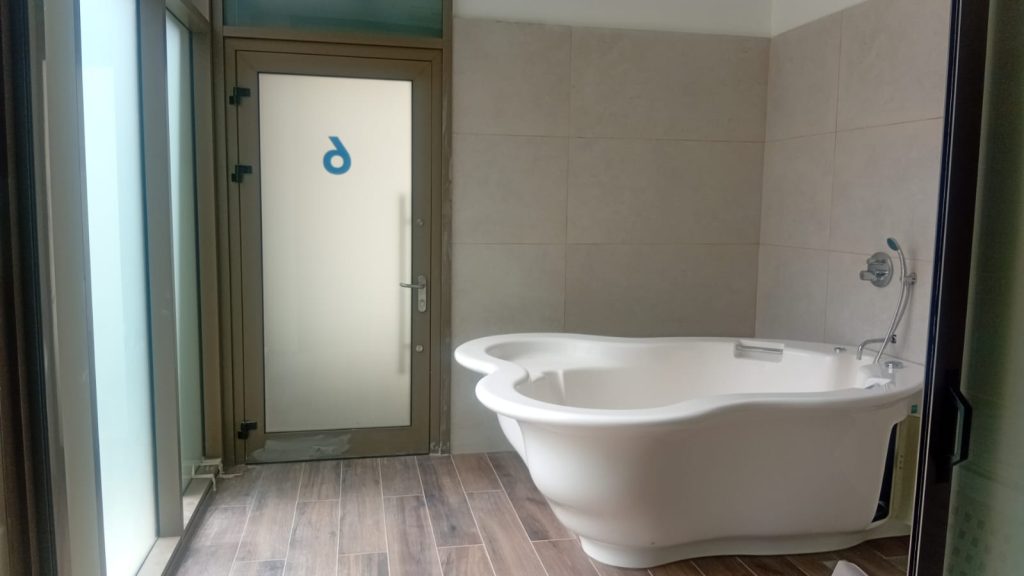
For example, tours often show lovely rooms with birthing pools, which can suggest that a water birth is readily available. On arrival, you may hear that water births aren’t offered to first-time mothers, that no midwife is available to assist, or that your baby is estimated to be “too big,” based on an ultrasound estimate that can be off by about 15%.


Think of it like booking a hotel.

You wouldn’t decide on the website photos alone. You’d read the reviews, too.
Call To Action

Real experiences, in one place.

The Yoldot app (יולדות)
A Hebrew app with birth stories and detailed information about birth options in Israel. → Android · Apple

Jerusalem Birth Options
Live in Jerusalem? Compare the birth options in the city, by the Jerusalem birth nest. → Jerusalem

Some questions to bring to a tour.

• What options are available for different labour and birth positions? Do you support women giving birth in the positions they choose, including during the actual birth of the baby’s head?
• Can I move around freely during labour, or are there situations in which you would ask me to remain in bed, for example, because of fetal monitoring?
• What are your policies regarding vaginal examinations? Are they routinely offered or performed only with consent and when clinically indicated? Am I required to agree to a vaginal examination as a condition of admission?
• What types of fetal monitoring are available? Is intermittent monitoring an option for low-risk labours?

• What pain relief options do you offer, and where are they available? Is nitrous oxide (laughing gas) available in every delivery room and in the birthing pool area?
• Do you offer walking epidurals or low-dose epidurals that allow greater freedom of movement?
• Are there any restrictions on movement or birth positions after receiving an epidural?

• Is there a minimum cervical dilation (number of centimetres) required before I can receive an epidural?

• If I request an epidural earlier in labour, would I be required to agree to an oxytocin (Pitocin) infusion to speed up labour?

• What are your rates of induction, episiotomy and caesarean birth?
• Can you provide separate statistics for first-time mothers and women who have given birth before?

• Are you supportive of me choosing not to have an IV?
• Under what circumstances do you recommend or require an induction, and what methods do you use?
• If an induction is recommended but not urgent, how long is the typical waiting time?
• If an induction is recommended, can I discuss the reasons, benefits, risks and alternatives with the medical team before making a decision?
• Do you allow women to decline or postpone a recommended induction, provided there is no immediate medical emergency?

• Do you offer water birth, or the use of a birthing pool during labour?
• Who is eligible for water birth, and what circumstances might make someone ineligible (VBAC, Diabetis, estimated size of baby, etc.)?
• Approximately what percentage of women who wish to give birth in water are actually able to do so?
• How many birthing pools are available, and can they be reserved?
• Are there different admission criteria for multiparous women (women who have given birth before)? For example, do I have to reach 6 cm dilation before being admitted to a room with a birthing pool?
• If I have to wait until 6 cm dilation to access a birthing pool, how often does this mean that women give birth before the pool is filled and ready for use? Do you have any statistics on this?

• If I need a caesarean, can both my birth partner and my doula accompany me into the operating theatre?
• Can my baby remain with me in the operating theatre and recovery room, rather than being taken to the nursery?
• Do you support immediate skin-to-skin contact and early breastfeeding after a caesarean? Does this mean actual skin-to-skin contact with the baby’s body against mine, rather than simply holding the baby’s head next to my face?
• Do you offer gentle or family-centred caesareans? If so, what does this involve in practice?

• Do you allow women to bring their own doula? Are there any restrictions or specific requirements?
• Can my doula accompany me throughout labour and birth, including in the operating theatre if a caesarean becomes necessary?
• How many birth partners are allowed in the delivery room? Can both my partner and my doula be present throughout labour and birth?
• What happens when the midwife’s shift changes? Will I be introduced to the incoming midwife, and will my birth preferences and the decisions already made be communicated to her?

I am developing courses to help you better understand the Israeli maternity system, explore your own priorities, and identify which questions you want to ask when choosing where to give birth.
In-depth online classes are coming soon. Join the waitlist to be the first to know!

More in the Birth guide:

Looking for a local birth Nest in Jerusalem?