Navigate the Journey
Rights, Safety, and Support during Prengancy in Israel
This page covers the practical and emotional side of your pregnancy in Israel—from your rights in the medical system and insurance benefits to daily nutrition and emotional well-being.
Need the medical roadmap?
Table of Contents
Emergency Medical Care & Symptoms to Watch Out For
Where to Seek Help
If you are in active labor or a true emergency, you can head directly to the maternity emergency room (Miun Meyalduti).
Tip: If time allows and you are not in labor, calling the nurse hotline before going to the hospital can help you get a referral, which helps avoid unnecessary out-of-pocket costs.
Clalit: *2700
Maccabi: *3555
Meuhedet: *3833
Leumit: *507
Symptoms to watch out for
While this list covers common red flags, always trust your intuition. If you feel that something is ‘off’ or just don’t feel right, please do not hesitate to contact your healthcare provider or call your nurse hotline. You know your body best, and it is always better to be checked and reassured.
Your Rights
Understanding your rights in Israel can help you feel more confident and empowered. According to section 13 of the Patients’ Rights Law, any medical intervention requires your informed consent. This means that your healthcare provider should explain the proposed treatment or test, its expected outcomes, and any potential risks or benefits. They should also outline alternative options and their risks and benefits, so that you can make an informed decision.
In maternity care, time pressures and cultural norms sometimes mean that this process does not happen as it should. However, knowing your rights can help you feel more comfortable asking all the questions you need to make informed decisions.
These are the key rights you have during your pregnancy and birth:
- The right to receive treatment.
- The right to respectful care.
- The right to patient confidentiality.
- The right to privacy.
- The right to have a companion of your choice during care and birth.
- The right to request a different doctor or midwife if needed.
- The right to make decisions about your care and to receive enough information to make an informed choice.
Foods to Avoid & Hygiene
During pregnancy, the foods you eat can have a direct impact on the health of both you and your baby. Certain foods pose risks due to bacteria, parasites, or harmful substances like mercury. The Ministry of Health in Israel provides essential guidelines to ensure that you stay safe and healthy throughout your pregnancy. Here’s a summary of foods to avoid and safe food practices to follow. Foods to Avoid During Pregnancy:
Fish High in Mercury
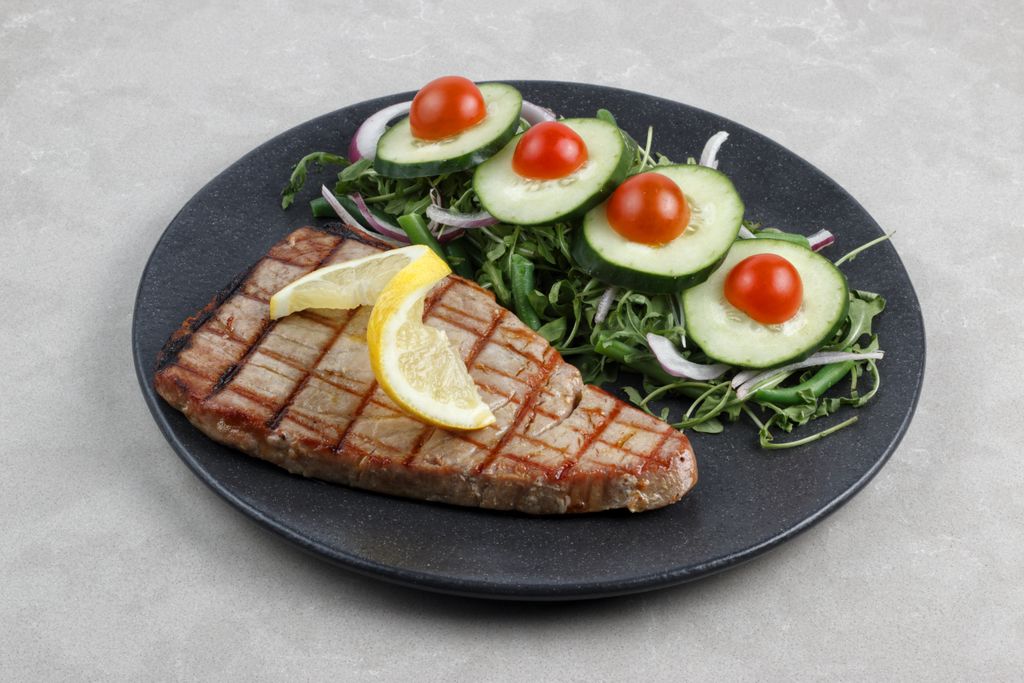
Large fish like mackerel, swordfish, bluefin tuna, and albacore tuna tend to accumulate high levels of mercury, which can harm your baby’s development. It is best to avoid these specific types entirely. You can enjoy safer options like sea bass, tilapia, and “light” canned tuna, which are lower in mercury.

Alcohol
It’s important to avoid alcohol during pregnancy. Alcohol can harm the baby’s development, causing issues such as brain damage, growth problems, and even fetal death.

Raw or Undercooked Meat, Fish & Deli Products
Pregnancy weakens the immune system, making you and your baby more susceptible to infections such as Listeria, Toxoplasmosis, and Salmonella. Avoid undercooked deli meats (such as pastrami), raw fish except if extremely fresh, liver pâté, and raw or undercooked eggs (found in dishes like homemade mayonnaise or soft-boiled eggs).

Salatim
Avoid Pre-Packaged Salads and Salatim. Store-bought salads, especially those with pre-made hummus and other salatim, can be at high risk for listeria. It’s safer to prepare salads at home.

Unpasteurized Dairy
Always choose pasteurized dairy products, including milk, cheese, and yogurt. While cheeses in supermarkets are pasteurized, blue cheese and similar varieties need to be thoroughly cooked before use to ensure they are safe.

Caffeine
During pregnancy, it’s important to limit your caffeine intake to no more than 200mg per day, which is roughly equivalent to two cups of coffee. This limit includes all sources of caffeine, such as coffee, black tea, and chocolate. Consuming caffeine in moderation is generally considered safe, but excessive intake can increase the risk of complications like low birth weight or premature birth.
Safety & Hygiene Precautions
Staying Healthy
Taking care of yourself during pregnancy is all about finding a healthy rhythm that works for you and your baby. It doesn’t have to be complicated—focusing on wholesome, nutrient-rich foods and staying active can make a big difference in how you feel.

Eating for Two (Well, Sort Of)
The “eating for two” myth is a bit of a classic, but it’s actually misleading! For most of your pregnancy, your body doesn’t need extra calories—it’s all about the quality of what’s on your plate. You might only need a small, nutrient-dense boost in the third trimester to support that final growth spurt.
Focus on fresh, whole foods. Try to fill your plate with a mix of colorful fruits and vegetables, whole grains, and quality protein.
- Folic Acid: This is a big deal for early development. While your prenatal vitamins are a must, you can boost your intake with foods like spinach, lentils, and chickpeas.
- Iron: To keep your energy levels steady, try adding more red meat (like beef or lamb), chicken livers, or dates to your meals.
- Calcium: Keep your bones—and your baby’s—strong with calcium-rich staples. Think cottage cheese, gvina levana, yogurt, labneh, or even a generous drizzle of tahini.
- Protein: This is the building block for your baby’s growth. Luckily, we have fantastic local options—try shakshuka, fresh hummus, falafel, or grilled fish like sardines or tilapia.
- Healthy Fats: Don’t forget snacks like almonds, pumpkin seeds, or sunflower seeds; they’re perfect for a quick, nourishing boost of energy.
- Stay Hydrated: Our Israeli summers are no joke! Keep a water bottle nearby at all times. If you need a change of pace, reach for some watermelon, cooling herbal teas, or a bit of coconut water to stay refreshed.
Keep Moving
Research shows that regular exercise doesn’t just help with comfort; it’s also linked to better birth outcomes, improved sleep quality, and a lower risk of developing gestational diabetes. Practices like prenatal yoga, for example, are wonderful because they combine gentle movement with breathwork, which can be incredibly helpful for managing labor and recovery.
Walking and swimming are also fantastic, low-impact ways to boost your mood and alleviate those nagging aches and pains. Just remember to listen to your body and stick to activities that feel safe and comfortable for you.
Note: Always chat with your doctor, midwife, or physical therapist before starting a new exercise routine or making major changes to your diet to make sure it’s the right fit for your specific health needs.
First Trimester Challenges
The first trimester of pregnancy can be both exciting and overwhelming. It’s a time of significant physical and emotional changes, and for many women, it can feel like a rollercoaster ride.
Physically, the body is adjusting to pregnancy in ways that can be both surprising and challenging. Many women experience common symptoms like morning sickness, fatigue, food aversions, breast tenderness, and constipation. Morning sickness, in particular, can be especially tough, as nausea and vomiting may occur at any time of day, making it difficult to keep food down and potentially leading to dehydration and weight loss in severe cases. In rare instances, morning sickness may last throughout the pregnancy, but there are medications available to help manage the worst symptoms. Fatigue is another common symptom in the first trimester, as your body works hard to accommodate the hormonal shifts and increased energy demands.
But the challenges of pregnancy aren’t just physical. Many women also face emotional struggles during this time. Anxiety around medical tests and procedures is common. For women dealing with tocophobia (a severe fear of pregnancy and childbirth), the pregnancy can be particularly difficult. Additionally, the fear of miscarriage can create significant emotional distress, and society’s often-unspoken expectation to remain upbeat or hide the pregnancy can make it hard to find someone to share these worries with. This can lead to feelings of isolation and loneliness.
Hormonal changes during pregnancy can also contribute to mood swings, depression, and anxiety, making it even harder to cope with the emotional strain. These emotional challenges are just as real and important as the physical ones, and it’s vital to recognize how they can affect both the mother’s and baby’s well-being. While pregnancy is an incredible journey, it can also be tough, and our society doesn’t always give space for expectant mothers to rest or care for themselves the way they need to. There’s often an unspoken pressure to continue with life as normal, which can make navigating this period even more challenging.
That’s why seeking support is so important. Whether from healthcare providers ( e.g. tipat chalaw, family doctor), therapists, doulas, loved ones, or support groups, having someone to talk to can make all the difference. And don’t forget to take care of yourself during this time—rest, eat a balanced diet, and engage in activities that help you de-stress. By addressing both the physical and emotional aspects of pregnancy, you can move through the first trimester with more ease and confidence, knowing that you’re not alone in this journey.
“Morning”-Sickness
Morning sickness is a common symptom experienced by many pregnant women, usually in the first trimester. It is characterized by nausea and vomiting, which can be uncomfortable and debilitating. Fortunately, there are several things that can help alleviate morning sickness and make the first few months of pregnancy more bearable.

High-Risk Pregnancies
There are many reasons why a pregnancy might be classified as high-risk, such as age, medical history, or pre-existing conditions. However, simply being labeled as high-risk doesn’t give the full picture of what that means for you or your baby. It’s important to focus on specific information about the risks involved, how likely they are, and how they can be managed in your unique situation.
For example, while gestational diabetes puts a pregnancy in the high-risk category, careful management and a healthy diet can lower the actual risks to levels similar to those of a healthy pregnancy. It’s worth keeping in mind that being labeled as high-risk in Israel often comes with more restrictions on your birth choices. For instance, you might not have access to water births or home births with a licensed Israeli midwife.
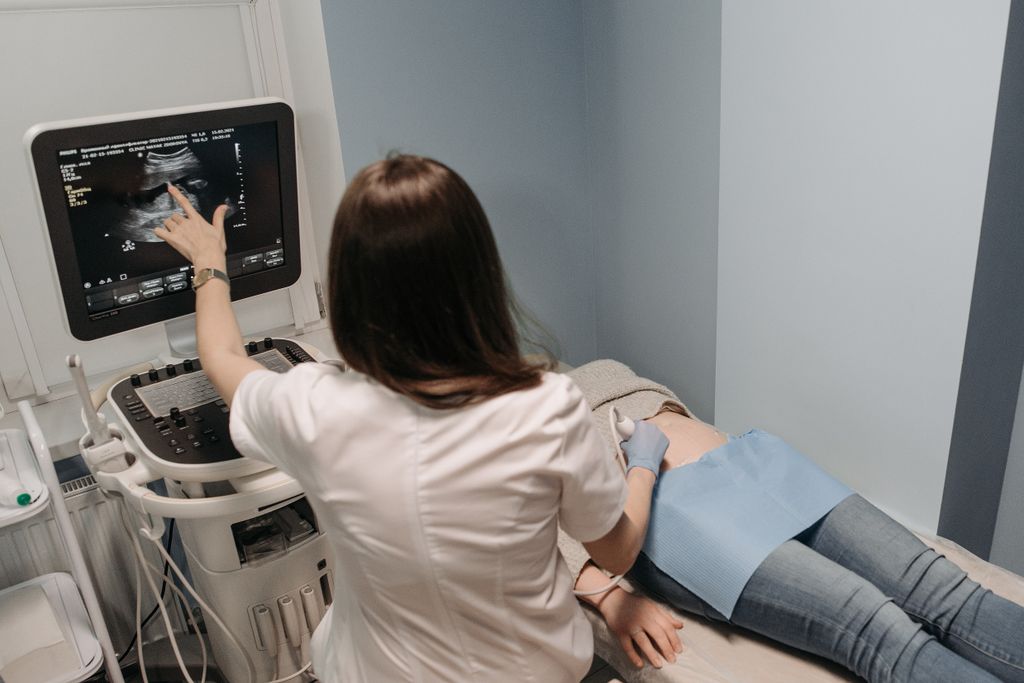

Once your pregnancy is classified as high-risk, your care will usually be transferred to a high-risk obstetrician. These doctors tend to have more time to dedicate to each patient, allowing them to meet with you more frequently and discuss your specific needs and circumstances. You may also be offered additional tests and screenings to help monitor and manage any potential risks.
“It is completely normal to feel concerned when you hear the term ‘high-risk.’ While this label can feel heavy, it simply means that we will be providing extra layers of care and monitoring to help you and your baby stay safe and healthy
Finding a Doula
Doulas provide essential emotional, physical, and informational support throughout pregnancy, birth, and postpartum. Studies have shown that having a doula can lead to better birth outcomes and a more positive birth experience.
A question I often hear is, “When is the best time to hire a doula?” The truth is, there’s no one-size-fits-all answer. The right time to begin working with a doula really depends on your individual needs and what feels right for you. Every doula offers different services—some may only meet with you once or twice in late pregnancy, while others prefer to start working with you earlier, even from the first trimester onward.
If you’re already feeling the desire for doula support early in your pregnancy, like at 5 weeks, I encourage you to trust your intuition and start looking for a doula that feels like a good fit for you. Having a doula from the very start can provide you with continuous emotional support, guidance, and information, helping you make empowered decisions and feel more confident as your pregnancy progresses.
But if you’re not quite ready yet, that’s perfectly okay too! It’s never too late to start preparing for childbirth with the support of a doula. However, it’s important to remember that doulas, especially those with specific skills (like English-speaking doulas), can fill up quickly. So, if you know you want a doula by your side, it’s a good idea to start looking and booking early to ensure you get the support you deserve.
Prepare for Birth
When it comes to starting your prenatal classes, there’s no “right” time—it’s really about when you feel ready to dive into your preparation. Some parents like to start early, others wait until around week 36, but many find the end of the second trimester to be the sweet spot.
Birth preparation makes a huge difference in how you experience your journey. I always recommend looking for independent education—classes that aren’t tied to specific hospital protocols, but are instead focused on the best, evidence-based care practices for you and your baby. A great course should provide you with unbiased information to help you make informed decisions, explore all your birth options, cover postpartum care, and, of course, equip you with practical tools to increase your comfort during labor.
Coming soon: I am currently building a new, comprehensive library of resources designed to give you the most unbiased, accessible birth preparation possible.
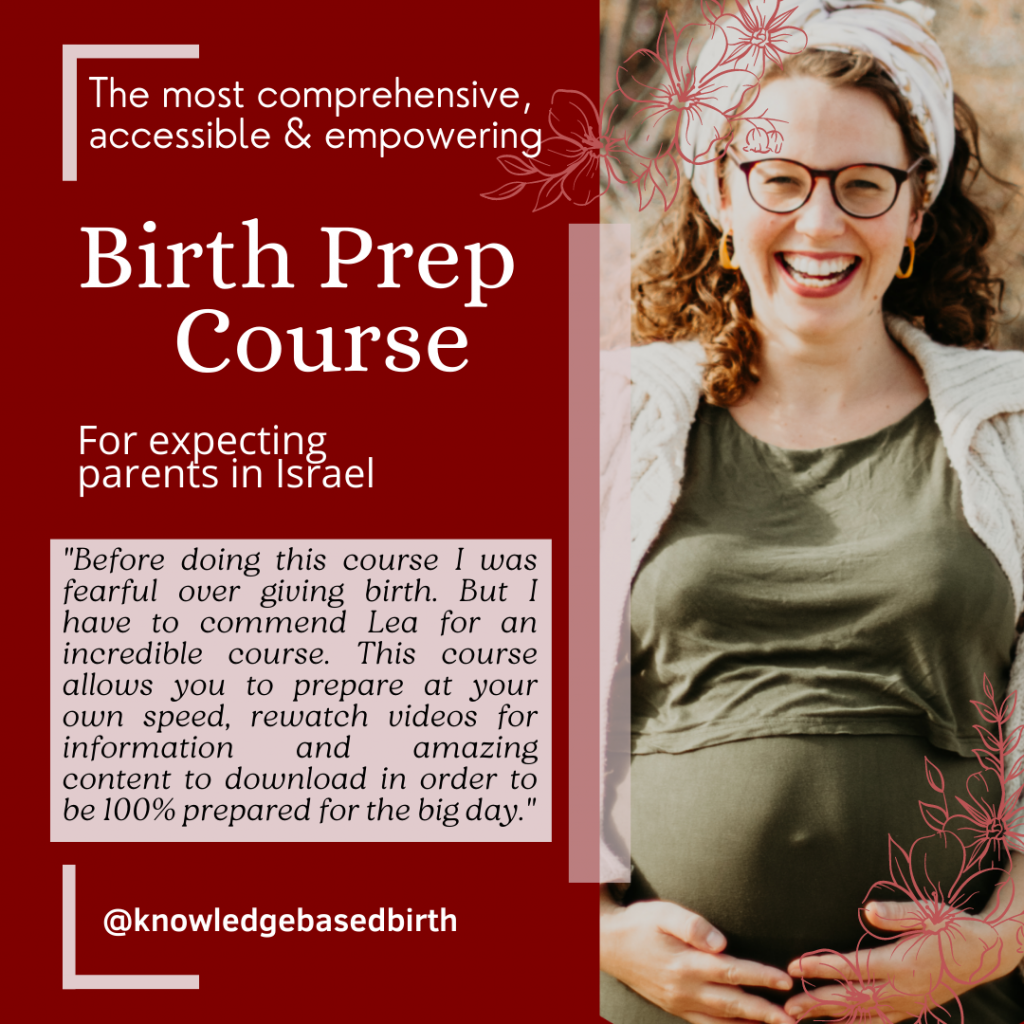
In the meantime, you can dive into my online course, “Knowledge-Based Birth.” It covers everything you need to feel prepared and empowered. Use the coupon code “birthinisrael” at checkout to receive a 100 Shekel discount.